Go-Ahead Group is a major provider of public transport services in the UK, opening up opportunities for millions of people every day to access jobs, training, and leisure.
In providing this important service, the Group also contributes to the UK economy. In this analysis, the impact of Go-Ahead Group in the UK is captured through three core channels of impact, plus a tourism effect.
Direct effects capture the company’s own employment, wages, and profits.
The indirect impact relates to economic activity supported by the company’s supply chain spending.
The induced channel is the impact of Go-Ahead Group and supply chain workers spending their wages.
The tourism impact is economic activity supported by tourists using Go-Ahead Group’s services.
Key Economic Contributions

Contribution to UK Economy
£0.0 billion
Total value of contribution to GDP across all four channels in 2025.

Jobs supported in the UK
0
Including Group colleagues and those supported by supply chain, worker and tourism spending in 2025.

Tax revenues supported
£0.0 billion
Total tax contribution across direct, indirect, induced and tourism channels in 2025.
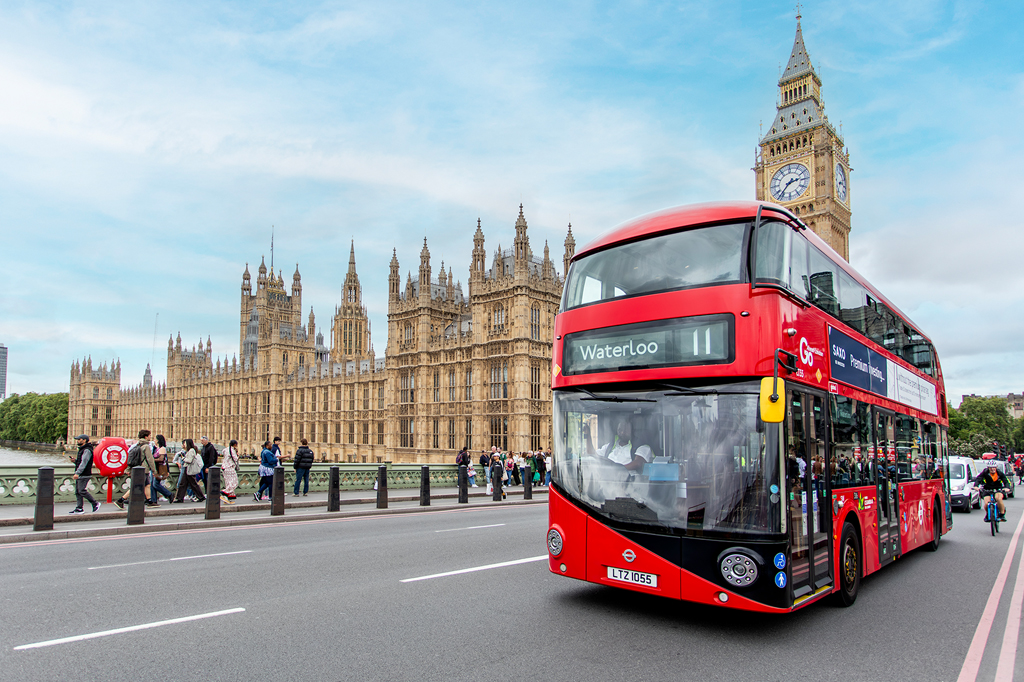
We are a leading transport provider of bus and rail operations in the UK and internationally
The Go-Ahead Group was established over four decades ago in North East England, and has since expanded to become one of the largest transport groups within the UK, serving millions of customers each day.
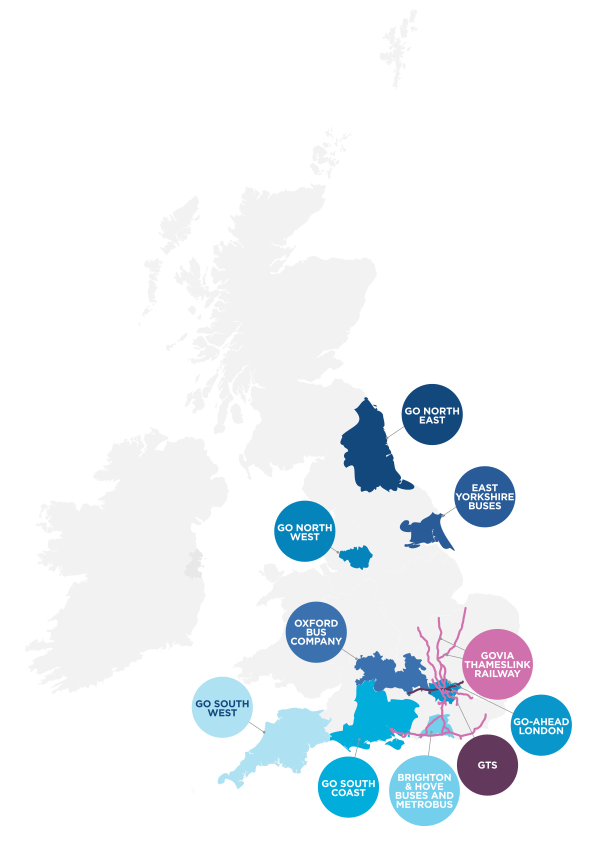
The Go-Ahead Group in the UK comprises subsidiary operating companies operating around the country.
This includes large bus operations in London, Oxford, and the South West and South Coast, as well as across the North East, North West, and Yorkshire & Humber, and several railway lines in the south of England. Each subsidiary operates as a locally empowered business, managing fleets and drivers, maintaining bus and rail depots, vehicles, and infrastructure.
The total economic impact of Go-Ahead Group in the UK
Go-Ahead Group made a significant contribution to the UK economy in 2025, contributing £6.4 billion to national GDP and supporting 86,900 jobs.
The company’s own direct operations, its supply chain spending, and worker spending all contributed relatively evenly to these total amounts, highlighting the wider contribution the company makes beyond its own activities.
The company also supported a £1.8 billion contribution to UK taxes across these four channels, which equivalent to the salaries of just under 44,000 primary school teachers.
Total GDP contribution of Go-Ahead Group, 2025
£0.0 billion
Note: totals do not sum due to rounding.
Total employment contribution of Go-Ahead Group, 2025
Employment (headcount)
Oxford Economics, Go-Ahead Group.
Investing in skills
Go-Ahead Group has invested significantly in skills development in recent years through a variety of apprenticeship programmes, establishing itself as the only UK public transport operator approved as an in-house apprenticeship provider across both bus and rail.
Recognised by the Department for Education as a leading transport employer for apprenticeships three years running, the company ranked 12th in the DfE's Top 100 Apprenticeship Employers and 28th in The Sunday Times equivalent list in 2025.

A multi-million-pound investment in engineering capabilities has created a new apprenticeship programme and two academies in London and Greater Manchester, developing the skills of Go-Ahead's 900 engineers to prepare teams for the rollout of zero-emission technology.
Investing in the environment
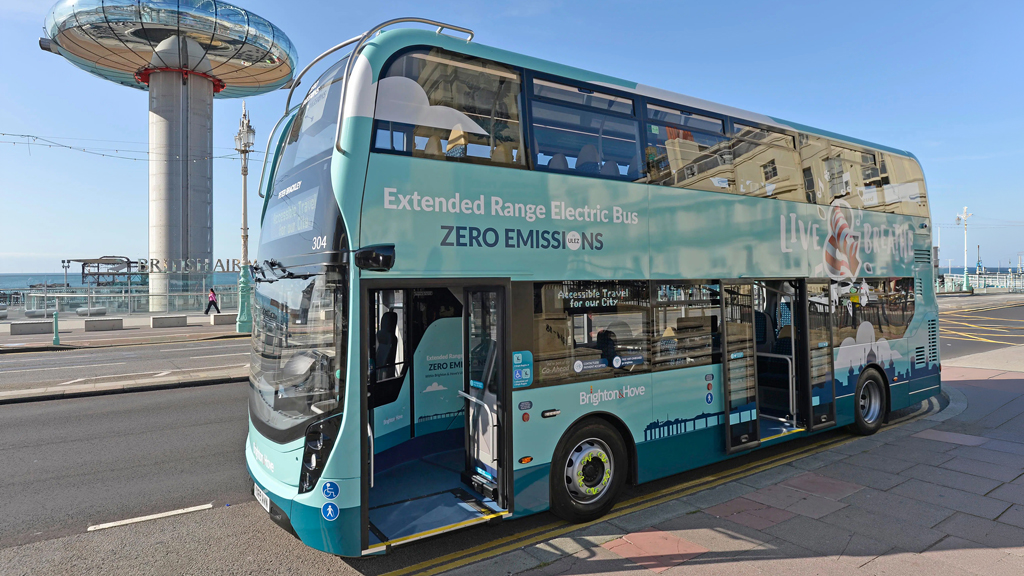
The company is a leader in the UK’s zero-emission bus transition, working closely with Transport for London and industry partners to move public transport towards cleaner, more efficient technologies. Its growing fleet of more than 1,500 electric buses is part of a long term strategy to reduce emissions and improve air quality.
This commitment is aligned with the wider Go-Ahead Group vision to become a net-zero business. Managing one of the largest fleets of electric buses in the world requires new digital tools, depot infrastructure, and advanced charging systems, and the company has made recent efforts to expand EV fleet management technology across its depots.
Core economic contributions
Go-Ahead Group's total economic impact is built up from the impact of its operating companies.
The largest impacts were from the bus companies Go-Ahead London and Go South Coast, supporting a total of 15,350 and 3,600 jobs each, as well as the rail companies Govia Thameslink Railway and GTS, which operates the Elizabeth line in London, at 40,250 and 6,800 jobs each.
Total employment contribution of Go-Ahead Group's operating companies, 2025
Employment headcount
The transport & storage and administrative services sectors received the largest benefit from Go-Ahead Group's supply chain spending, representing payments to Network Rail for use of infrastructure, as well as rental and lease payments for its rail fleet.
The real estate had the largest benefit from the induced GDP contribution, representing household mortgage and rent payments, followed by the retail sector.
Go-Ahead Group's indirect supply chain GDP contribution, 2025
GDP contribution, £ billion
Go-Ahead Group's induced GDP contribution, 2025
GDP contribution, £ billion
Tourism Impacts
The impact of spending by tourists using several of Go-Ahead Group's tourist bus routes was analysed, as well as the impact of international visitors to the UK using Go-Ahead Group bus services. These routes included:
- City Sightseeing Oxford
- Isle of Wight Downs Breezer
- City Sightseeing Brighton
- Stonehenge Tour
- Isle of Wight Needles Breezer
- Eastbourne Sightseeing

0
Customers travelling on these six key Go-Ahead's tourism routes in 2025.

£0 million
Tourist spend associated with Go-Ahead bus services in 2025.

£0 million
Total GDP contribution from this tourism spending in 2025.

0 jobs
Employment supported this tourism spending in 2025.